Lederhosen or Dirndl: Choosing Your Oktoberfest Outfit
Posted by PARTY LAND ONLINE

Oktoberfest is one of the few events where costume is part of the experience, and getting it wrong means standing out for the wrong reasons. How to compare your Oktoberfest outfit options comes down to three factors: which traditional style suits your build and comfort level, what accessories complete the look without tipping into novelty, and whether the fabric and cut work for a long day of eating, drinking and moving around. A dirndl is the dress option, lederhosen the leather shorts, and both have specific rules about fit, length and detail that separate authentic from costume-shop generic.
You're not buying formal wear, but you are buying something people will notice, so the choice matters more than most party costumes. A bad dirndl sits wrong at the bust or rides up at the waist. This guide walks through what to look for in each style, how to match your build to the right cut, and where the quality divides actually show up when you wear it.
Key Takeaways
- Dirndls suit most body types but require proper bust and waist fit to avoid gaping or riding up
- Lederhosen come in short and knee-length cuts - short works for warm weather, knee-length for coverage
- Real leather costs more but holds shape and breathes better than synthetic alternatives throughout the day
- Apron placement on a dirndl signals relationship status in traditional settings, so tie it on the correct side
- Accessories like hats, socks and braces make or break the outfit - budget for them separately
Why the Dirndl and Lederhosen Are the Only Real Options
Every Oktoberfest has people who show up in checked shirts and jeans thinking that's close enough. It's not, and everyone in traditional dress can tell. The dirndl and lederhosen are Bavarian garments with specific construction, and wearing them signals you understand the event you're attending. A dirndl is a fitted bodice over a blouse, with a full skirt and apron - the bodice laces or hooks at the front, the skirt sits at the natural waist, and the apron ties at the side or back. Lederhosen are leather shorts or knee-breeches with an H-back or cross-back brace system, worn over a checked or white shirt. Both have regional variations, but the core shape stays the same.
The reason these two dominate is simple: they're what Bavarians actually wore for centuries, and Oktoberfest in Munich enforces traditional dress in most tents. That cultural weight carried over to every Oktoberfest event worldwide, so showing up in anything else marks you as a tourist who didn't do the research. In Sydney, the dress code isn't enforced the same way, but the visual expectation is set - most attendees wear one or the other, and the few who don't look out of place. If you're comparing outfit options, you're really choosing between these two styles and deciding which one fits your body and comfort level, not inventing a third option.
The dirndl works for women and some men who prefer a dress silhouette. Lederhosen work for men and women who want shorts or pants. Beyond that, the choice is about fit, fabric and how much movement the garment allows. A well-fitted dirndl stays put without constant adjustment. Badly fitted lederhosen chafe at the inseam or gape at the waist. Get the structure right and you'll forget you're wearing a costume. Get it wrong and you'll spend the day tugging fabric back into place.
Dirndl Fit: What to Check Before You Buy
The bodice is where most dirndls fail. It should sit snug against the ribcage without cutting in, and the bust should fill the cups without spilling over or leaving gaps. If the bodice is too loose, it rides up when you raise your arms. Too tight and it restricts breathing after the first round of food. Most dirndls lace at the front, which gives you some adjustment range, but the base size has to be close - you can't lace a size 12 bodice down to fit a size 8, and trying to leaves the fabric bunched and the cups sitting wrong. The blouse underneath should have enough volume in the sleeves to puff slightly without looking inflated, and the neckline should sit just below the collarbone. If the blouse rides up out of the bodice, it's cut too short.
The skirt length affects how traditional the look reads. Ankle-length is formal and traditional, knee-length is the most common, and mid-thigh is party-costume territory. Longer skirts need more fabric and cost more, but they also move better and don't ride up when you sit. Shorter skirts are easier to walk in and work for warm weather, but they can look cheap if the fabric is thin or the hem isn't finished properly. Check the waistband - it should sit at your natural waist, not below it, and the skirt should hang straight without twisting. A twisted skirt means the fabric was cut on the bias or the seams are uneven, and it won't hang right no matter how you adjust it.
The apron is decorative but it also has traditional meaning. Tied on the left means single, tied on the right means taken, tied at the back means widowed, and tied at the front means virgin or young girl. Most people don't know this and tie it wherever it looks best, but if you're attending a traditional event or an event with older German attendees, they'll notice. The apron should be slightly shorter than the skirt and narrow enough that it doesn't cover the whole front panel. An apron that's the same length as the skirt or wider than the bodice looks unbalanced. If the apron fabric is shiny or heavily embroidered, keep the skirt plain. If the skirt has a pattern, keep the apron simple.
Fabric matters more in a dirndl than almost any other costume. Cotton and linen breathe and hold shape through a long day. Polyester traps heat and clings when you sweat. Cheaper costumes use polyester blends to cut costs, and you feel the difference within an hour. The bodice should be lined or boned - unlined bodices collapse and lose structure as soon as you move. Check the lacing grommets or hooks: plastic grommets crack, metal ones hold. If the bodice has hook-and-eye closures instead of lacing, make sure there are enough hooks to distribute tension - a few hooks is too few, more is better. A dirndl that fits well in the bodice but uses cheap closures will gap open mid-event.
Lederhosen: Short vs Knee-Length and What Works
Lederhosen come in two main cuts: short (ending mid-thigh) and knee-length (bundhosen). Short lederhosen are what most people picture when they think Oktoberfest - they sit high on the waist, the leg openings are wide, and the overall silhouette is blocky. Knee-length lederhosen sit at the natural waist and taper slightly from hip to knee, with a button or buckle closure just below the kneecap. Short lederhosen work for warm weather and active movement, but they expose a lot of leg, so you need high socks and shoes that balance the look. Knee-length lederhosen give more coverage and read as more formal, but they're warmer and restrict movement more at the knee.
The fit at the waist is critical. Lederhosen are designed to sit above the natural waistline, held up by braces, not a belt. If the waistband sits low like jeans, the proportions are wrong and the garment will sag. The waistband should be firm enough to stay in place but not so tight that it digs in when you sit. Most lederhosen have a button fly and no zip, which means the waistband can't be adjusted once it's fastened - you either fit or you don't. Check the inseam and thigh circumference: too tight and the leather chafes, too loose and the leg openings flap. Leather stretches slightly with wear, so a snug fit out of the package is better than a loose one.
Real leather lederhosen cost more than synthetic, but the difference is obvious within the first hour. Leather breathes, stretches where it needs to, and holds its shape. Synthetic lederhosen trap heat, don't mould to your body, and crease in odd places. The stitching and embroidery are also tells: real lederhosen use contrasting thread and traditional Alpine motifs (edelweiss, oak leaves, stags), while cheap versions print the design on or use random geometric shapes. Check the braces - they should be leather or thick woven fabric with metal adjusters and buttonholes, not elastic with plastic clips. Elastic braces stretch out and lose tension, and plastic clips snap under load.
The flap (drop-front or traditional Bavarian style) is decorative but functional. Most modern lederhosen skip the flap and use a standard fly, but traditional styles keep it for authenticity. If your pair has a flap, it should button securely and sit flat - a flap that gaps or puckers looks unfinished. The embroidery on the flap and the bib (if there is one) should be stitched, not glued. Run your finger over it: stitched embroidery has texture and depth, glued or printed embroidery sits flat and peels at the edges.
| Feature | Short Lederhosen | Knee-Length Lederhosen |
|---|---|---|
| Leg coverage | Mid-thigh, high socks required | Just below knee, socks optional |
| Formality | Casual, festival-ready | More formal, traditional |
| Movement | Unrestricted at knee | Slight restriction when bending |
| Climate suitability | Warm weather, outdoor events | Cooler weather, indoor tents |
| Best for | First-time wearers, active events | Traditional settings, older attendees |
The Accessories That Make the Outfit Work
An Oktoberfest outfit without accessories looks half-finished. For dirndls, that means a blouse (usually white or cream with puffed sleeves), an apron, and shoes - typically Mary Janes, ballerina flats, or low boots. The blouse should have enough structure to hold the puff in the sleeves without needing constant adjustment, and the neckline should sit flat against the chest. A blouse that's too loose gapes at the neckline, too tight and the sleeves lose their shape. If you're buying separately, match the apron length to the skirt length and keep the colours complementary, not identical. A burgundy skirt with a burgundy apron looks flat; a burgundy skirt with a cream or gold apron has contrast.
For lederhosen, the shirt is the first accessory. A white or checked button-down is traditional, and it should be cotton or linen, not synthetic. The shirt should fit close at the shoulders and have enough length to tuck in without pulling out when you move. Rolled sleeves are acceptable, short sleeves are not - lederhosen are paired with long sleeves, even in warm weather. The socks are the second accessory, and they're more important than most people realise. Traditional Bavarian socks are knee-high, ribbed, and usually grey, cream or white with a coloured band at the top. They sit just below the knee and stay up without elastic, held by the ribbing. Cheaper socks are ankle-length or slouchy, and they ruin the proportions. You need the high socks to balance the short lederhosen - without them, the look is incomplete.
The hat is optional but common. For men, it's usually a felt alpine hat with a feather, a brush, or a cord trim. The hat should sit level on the head, not tipped back or forward, and the feather should point up, not droop. For women, a floral headband or a small hat pinned at an angle works, but a full alpine hat can overwhelm a dirndl unless the dirndl itself is fairly plain. Shoes matter more than hats. For lederhosen, you want sturdy leather shoes or boots - loafers, brogues, or low hiking boots all work. Trainers, sandals, or dress shoes don't. For dirndls, closed-toe flats or low heels in leather or suede match the traditional aesthetic. High heels look wrong, and open-toed sandals clash with the covered, structured look of the dress.
Braces (suspenders) are built into most lederhosen, but if you're buying a basic pair or a costume version, check that the braces are included and functional. The braces should cross at the back or form an H-shape, and they should attach with buttons, not clips. Clips slide off under tension, buttons hold. The braces sit over the shirt, not under it, and they should be adjusted so the waistband of the lederhosen sits just above your natural waist. If the braces are too loose, the lederhosen sag. Too tight and they pull the waistband up uncomfortably high. You should be able to slide two fingers under the brace strap at the shoulder - that's the right tension.
Fabric Quality and Why It Shows Up Fast
Cotton and linen breathe, wick moisture, and hold their shape under movement and heat. Polyester and acrylic trap sweat, stretch out, and lose structure as soon as the temperature rises. Budget costumes use polyester blends because they're lighter and easier to manufacture, but wearing one to an all-day event is miserable. The bodice clings, the skirt sticks to your legs, and by hour three you're visibly uncomfortable. Real cotton costs more and weighs more, but it regulates temperature and feels better against skin, especially when you're sitting, standing, dancing and eating over several hours.
For lederhosen, real leather is the standard. Suede, deer leather, and goat leather are the traditional choices, and they all share the same qualities: they're firm but flexible, they mould to your body with wear, and they don't trap heat the way synthetic leather does. Synthetic lederhosen (usually polyurethane or PVC) look convincing from a distance but feel wrong up close. They don't breathe, they crack at stress points, and they don't soften with wear. A real leather pair will feel stiff when new and gradually break in. A synthetic pair feels the same on day one and day ten, and by day ten the seams are splitting. If you're only wearing the outfit once, synthetic might be acceptable. If you plan to wear it again or you're attending a multi-day event, real leather is worth the cost.
Check the lining in both garments. A lined bodice holds shape better than an unlined one, and a lined skirt drapes properly and doesn't cling. Lederhosen don't need lining in the legs, but the waistband should be faced or reinforced so it doesn't roll. The stitching is another fabric-quality indicator. Double-stitched seams hold under stress, single-stitched seams pull apart. Overlocked edges (serged) are fine for skirts and aprons, but the bodice seams should be flat-felled or French-seamed for strength. Exposed raw edges inside a bodice or lederhosen are a sign the garment is cheaply made, and those seams will fray or split with movement.
Embroidery and trim also signal quality. Hand-stitched or machine-embroidered details hold up under wash and wear, while printed or glued-on designs peel, fade, or crack. Traditional Bavarian embroidery uses floral and Alpine motifs in contrasting thread, and the stitching should be tight and even. Loose stitching or gaps in the pattern mean the embroidery was rushed or done on cheap machinery. Ribbon trim on dirndls should be stitched at both edges, not just one - single-edge stitching lets the ribbon curl and pucker. Lace trim should be cotton or linen, not nylon, and it should be sewn in, not glued. Run your fingers along the trim: if it feels crunchy or stiff, it's synthetic or glued.
Sizing and Fit Issues That Catch People Out
Most Oktoberfest costumes are bought online, and sizing is where the problems start. European sizing runs different from Australian sizing, and costume sizing often runs smaller than standard clothing. A woman who wears a size 12 dress might need a larger dirndl, especially if the bodice is structured or boned. The bust and waist measurements matter more than the dress size, so ignore the size label and measure yourself: bust at the fullest point, waist at the narrowest point, and hips at the widest point. Compare those measurements to the size chart provided, and if you're between sizes, go up. A dirndl that's too tight is unwearable, a dirndl that's slightly loose can be adjusted with the lacing or taken in at the waist.
For lederhosen, the waist and inseam are the critical measurements. Measure your waist where the lederhosen will sit - above your natural waistline, roughly level with your belly button. The inseam for short lederhosen is typically shorter, for knee-length it's longer. If the size chart lists thigh circumference, measure the widest part of your thigh and add a centimetre or two for movement. Leather doesn't stretch like denim, so if the thighs are tight when you try the lederhosen on, they'll stay tight. The braces add some adjustability to the waist, but they can't make up for a waistband that's too small.
Length is another common fit issue. Dirndl skirts should hit at or just below the knee for a traditional look, but many ready-made dirndls are cut for average European height, which is shorter than average Australian height. If you're tall, the skirt might sit mid-thigh instead of knee-length, which changes the whole silhouette. Check the skirt length measurement before buying, and if it's not listed, ask. Some options offer petite and tall variations, others only stock one length. Lederhosen length is less flexible - short lederhosen should end mid-thigh, knee-length should end just below the kneecap. If the short lederhosen sit closer to the knee, they're too long and the proportions are off. If the knee-length lederhosen sit above the knee, they're too short and they'll ride up when you sit.
Blouse fit is often overlooked. The sleeves should have enough volume to puff without looking like balloons, and the cuffs should sit just below the elbow or at the wrist, depending on the style. If the sleeves are too tight, they can't puff. If they're too loose, they look saggy. The neckline should sit flat and not gape when you lean forward - a gaping neckline means the blouse is too big or the neckline is cut too wide. Most dirndl blouses have elastic at the neckline and cuffs, which gives some adjustability, but the base fit still has to be close. If you're between sizes, go smaller on the blouse - elastic stretches, but a blouse that's too big just looks sloppy.
Ready to Get Your Outfit Sorted?
Party Land Online stocks a full range of Oktoberfest costume options, from dirndls and lederhosen to hats, socks and accessories. Whether you're after a traditional look or a modern take, the collection covers what you need to show up dressed properly. Browse the range online or visit one of the Sydney stores to try on sizes and check fabric quality in person before you commit.
Frequently Asked Questions
What are some good outfit ideas for Oktoberfest?
A traditional dirndl for women (bodice, blouse, skirt, apron) or lederhosen for men (leather shorts or knee-breeches, checked or white shirt, braces, high socks) are the standard options. Both work for any Oktoberfest event and read as authentic rather than costume. Stick to classic colours (burgundy, navy, forest green for dirndls; brown or black for lederhosen) and add a hat or floral headband if you want extra detail.
What not to wear to Oktoberfest?
Avoid jeans and a checked shirt, or anything that approximates the look without committing to it. Don't wear high heels with a dirndl, trainers with lederhosen, or synthetic fabrics that don't breathe. Skip costumes that parody the traditional garments (beer-maid outfits with tiny skirts, novelty lederhosen with joke prints). If you're not going to wear the real thing, at least wear something that respects the traditional silhouette and doesn't look like poorly made fancy dress.
What are some genuine Oktoberfest outfits?
Genuine outfits are made from natural fabrics (cotton, linen, leather), have proper construction (boned or lined bodices, double-stitched seams, real embroidery), and follow traditional cuts. A genuine dirndl has a fitted bodice that laces or hooks, a full skirt, and an apron. Genuine lederhosen are real leather with traditional embroidery, H-back or cross-back braces, and a button fly. Accessories like alpine hats, high ribbed socks, and leather shoes complete the look. If it's priced low and made from polyester, it's not genuine.
What is the Oktoberfest dress code?
Most Oktoberfest events encourage traditional Bavarian dress but don't enforce it strictly. In Munich, many tents require or strongly prefer dirndls and lederhosen. Outside Germany, the expectation is softer, but the majority of attendees still wear traditional outfits, so showing up in regular clothes makes you the odd one out. Dress code for Sydney events typically suggests traditional costume without requiring it, but you'll enjoy the event more if you commit to the theme.
Do people dress up for Oktoberfest?
Yes, most people attending an Oktoberfest event wear traditional Bavarian costume. It's part of the experience, not an optional extra. The level of authenticity varies - some people invest in real leather lederhosen and hand-embroidered dirndls, others buy ready-made costume versions - but nearly everyone makes the effort. Showing up in street clothes is rare and marks you as someone who either didn't know or didn't care, and that changes how you experience the event.
how to compare your oktoberfest outfit options?
Choosing an Oktoberfest outfit is mostly about fit and fabric, not fashion. A dirndl or lederhosen that fits properly and uses decent materials will carry you through the day without adjustment or discomfort. A cheap one will make you miserable by mid-afternoon. Measure yourself, compare your measurements to the size chart, and go up a size if you're in doubt. Real leather and cotton cost more but feel better and last longer. Get the accessories right - high socks, a proper blouse, sturdy shoes - and the outfit works. Skip them and you look like you tried halfway.
Need it this weekend?
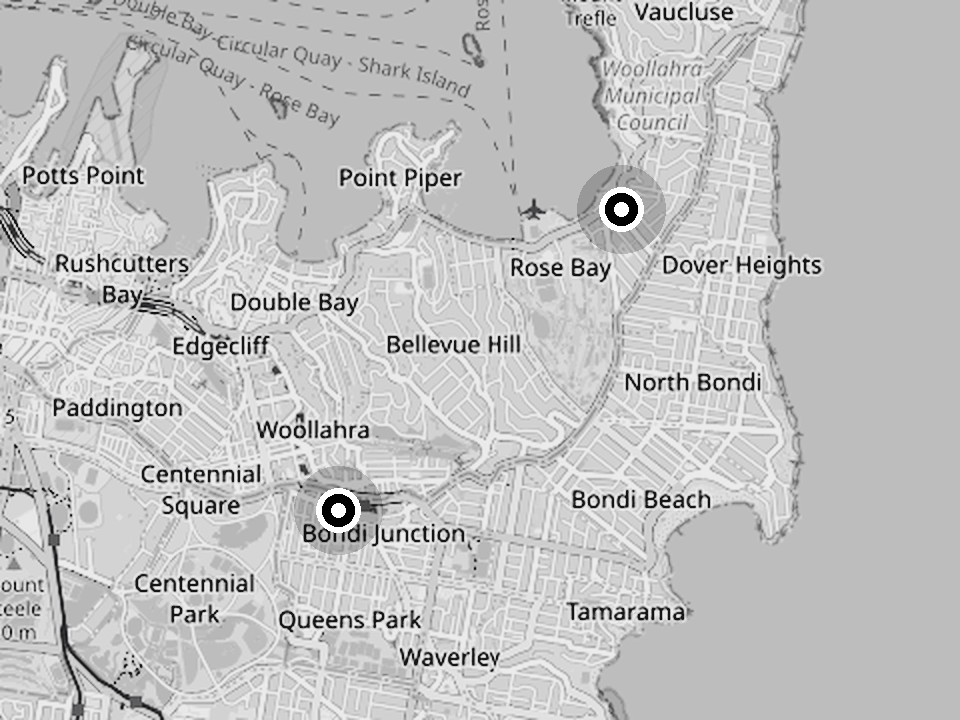
Party Land has two shops in Sydney's eastern suburbs and the full range online, costumes, balloons and party supplies.
Browse the shopTAGS: